Scientist turned photographer, Marketa Zvelebil specialises in photographing the natural world, with a focus on animals, birds and insects. As a disabled photographer, this can pose challenges but her amazing work has won a number of competitions, as well as being published in numerous magazines. I spoke with Marketa to find out more about her beautiful images and approach to photography.
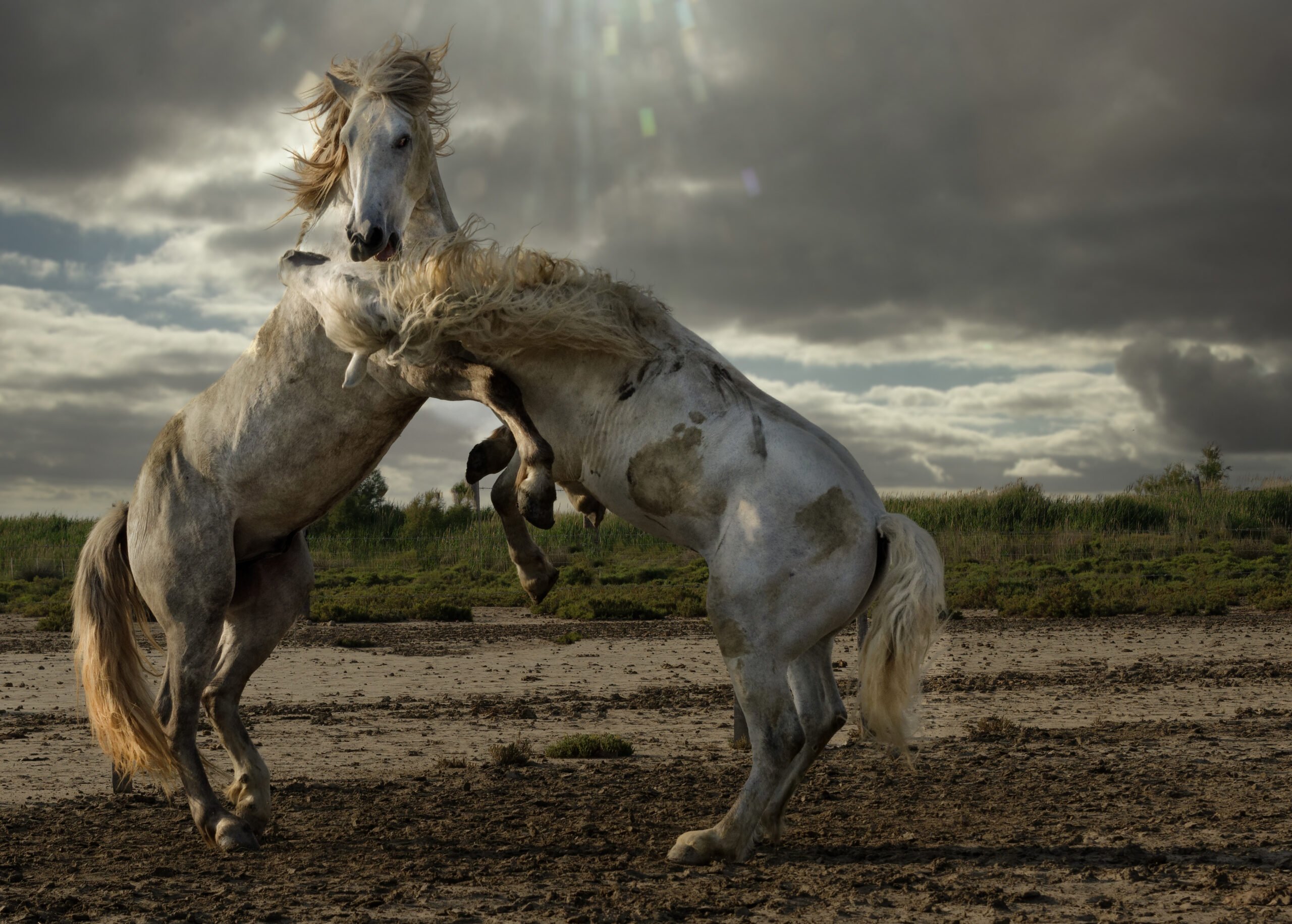
Photo by Marketa Zvelebil
What got you into photography?
I have loved photography since childhood. When I was six, I became very ill and my father gave me his old camera to try and take my mind off things. I was cutting people’s heads off to try and take portraits! I wanted to be a professional photographer, but we were living in Holland at the time where you had to have a maths A-level to study photography. So, I went into science instead as you didn’t need maths A-level to do that.
I carried on taking photographs while I was working and after I retired early, I decided to take my photography further. I did a photography course online in 2017 and then joined both the Guild of Photographers and the Royal Photographic Society, gaining my LRPS qualification. I now do workshops for them on creative photography at home, and wildlife in your backyard (including zoos and wildlife parks and multiple exposures).
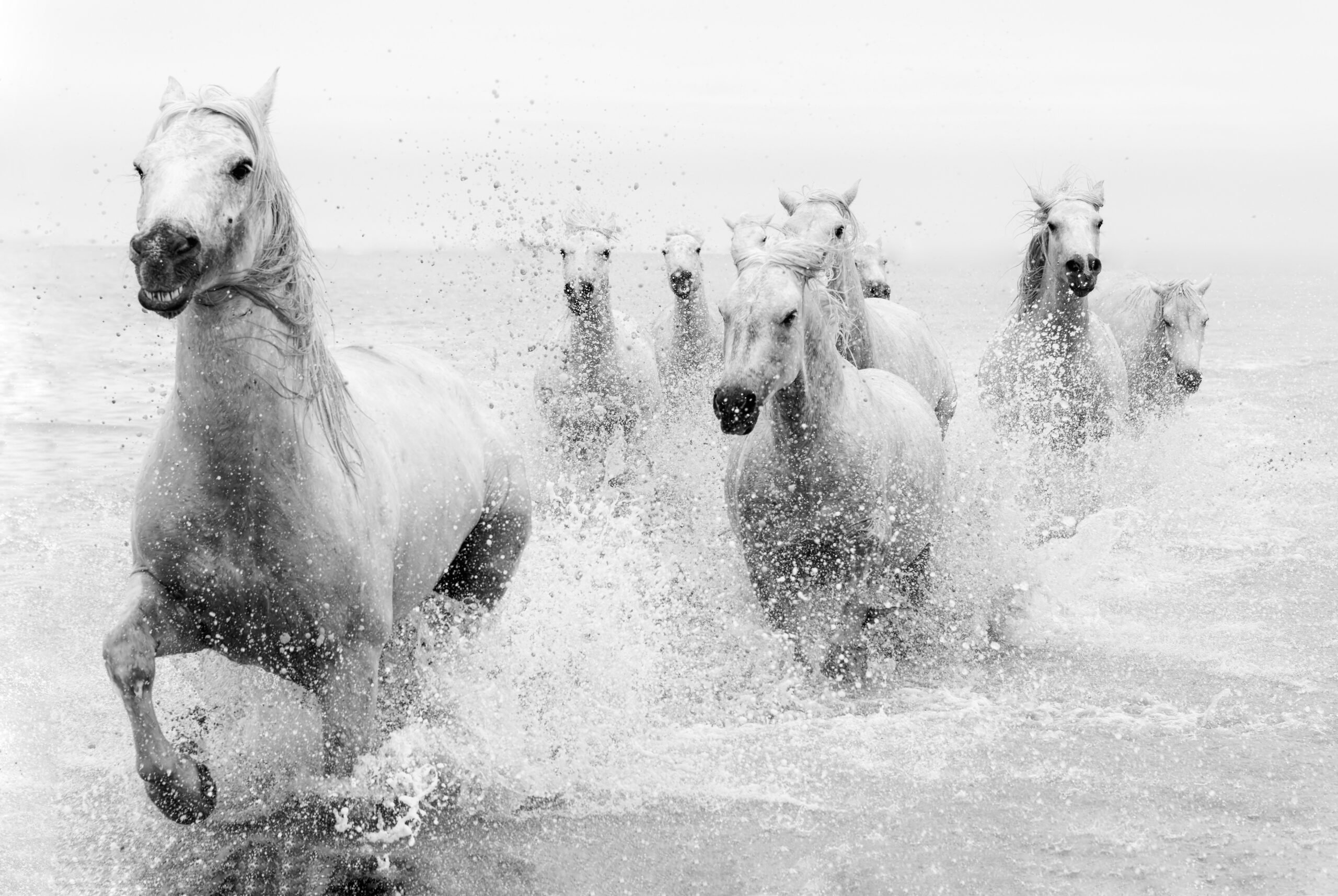
Photo by Marketa Zvelebil
You mainly shoot wildlife. Is this your favourite genre?
My main focus is animals – both big and small. I live in a small village, so you see more animals as it’s quieter. I also shoot at a local wildlife park. We have flamingos 40 minutes away, pelicans at the seaside and even vultures, although the sad thing is that the populations are diminishing because of humans. I do also follow workshops on street photography and I love shooting people as well, as I enjoy the challenge of trying to get them to relax. I like learning [and] teaching and I enjoy photographing different things.
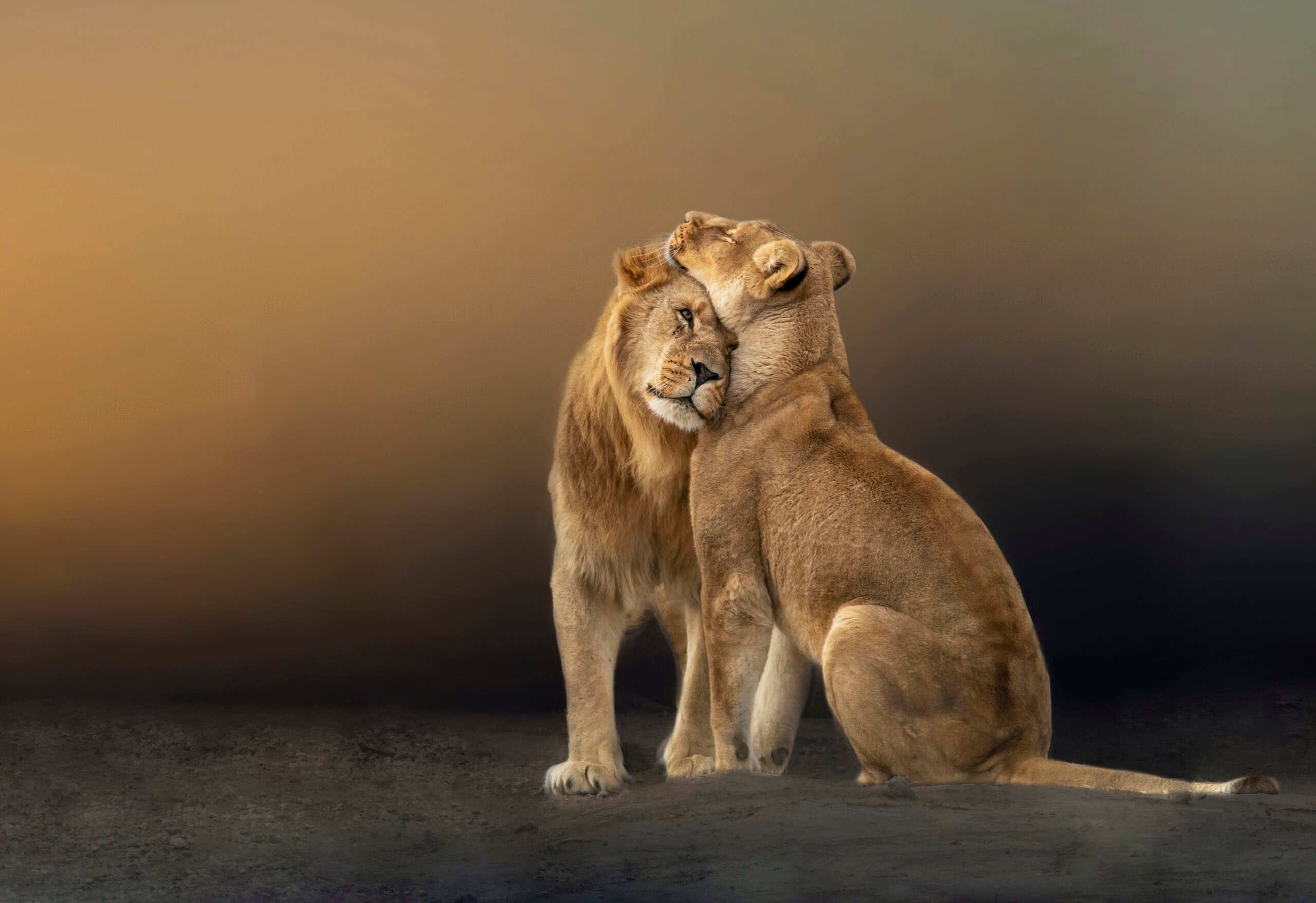
Photo by Marketa Zvelebil
What kind of influences do you draw inspiration from? Do you have any favourite photographers or creative influences that have informed your photographic style, and why?
Funnily enough none of the wildlife photographers! I don’t try and copy any specific styles as I think different styles to those we shoot can often speak to us. These are some of my favourite photographers that do to some extent influence my pics. Often there may be a photo rather than a photographer that sticks in one’s mind:
- Colin Jones, who was an English ballet dancer turned photographer and prolific photojournalist of post-war Britain. I love the way he puts the environment into his street/documentary photos.
- Margaret Bourke-White, who was the first American female war photojournalist.
- Lynsey Addario
- Henri Cartier-Bresson – I love some of his street photos.
- Fabien Gréban, who is a wildlife photographer in the Jura region of France. I love his photos, and he is also a nice guy!
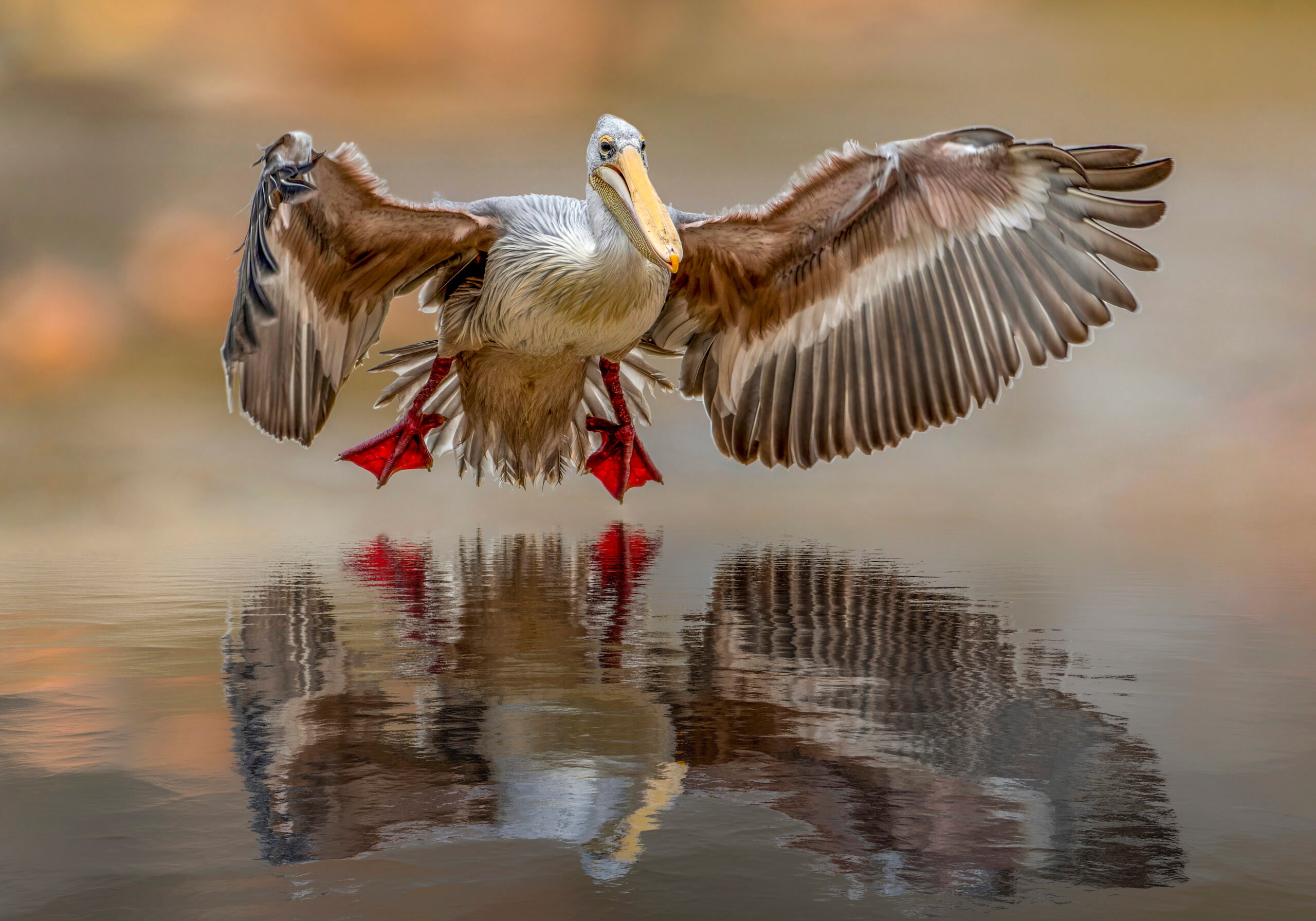
Photo by Marketa Zvelebil
What kit do you shoot with and what’s your favourite bit of kit?
I am a Nikon user, and all my cameras and lenses are Nikon. I shoot with both the Z9 and Z8 mirrorless cameras. My favourite lens is my 800mm f5.6. It’s beautiful with a wonderful soft tone, but it is very heavy.
What are you working on at the moment?
I am considering going for the ARPS with the Royal Photographic Society. Near to where I live are little old stone houses where people working the fields 100 years ago ate and slept. Many of them are ruins, but I’d like to do a project on them. Apart from that I’m always searching for wildlife and I’m also going back to shoot the horses of the Camargue in a few months.
What would you say is your goal with your photography?
To become famous! Obviously, I would love to have that one photo that becomes iconic, but I mainly shoot for my own enjoyment and love teaching others to enjoy it. I hope that when I die my images will still be available for people to see and enjoy.
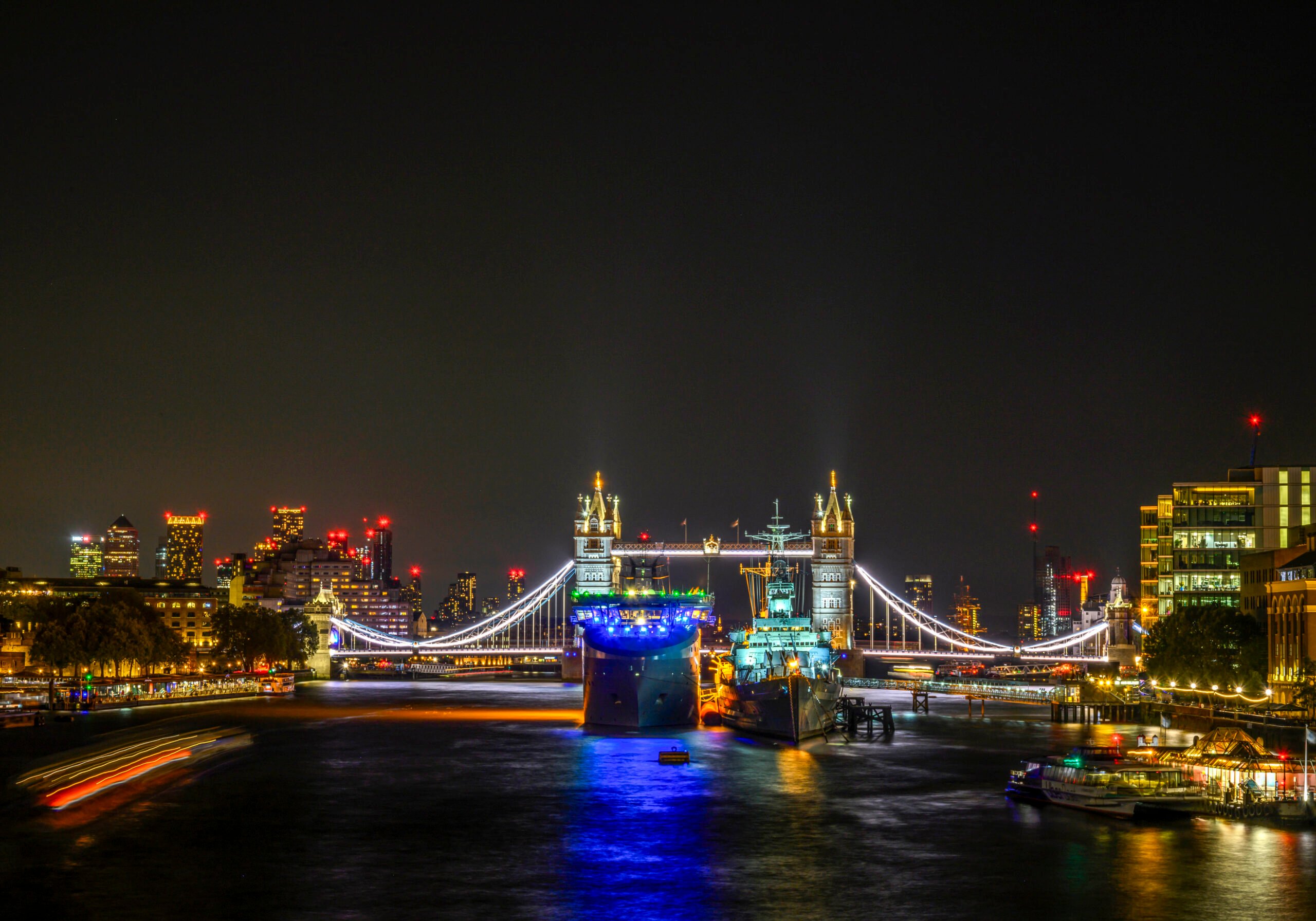
Photo by Marketa Zvelebil
As a female photographer, do you feel that you face any particular challenges? Do you feel that the industry is favourable towards women, or would you like to see any changes?
Absolutely, especially as a disabled female. I’ve had the normal things – if you take a good picture, it’s the camera, not you or if I’m out with a male friend they will talk to him, not me. I’ve been ignored completely by male photographers many times. It gives me great pleasure when a male photographer asks for advice and I’m the only one who can provide the answer – they are often shocked and surprised!
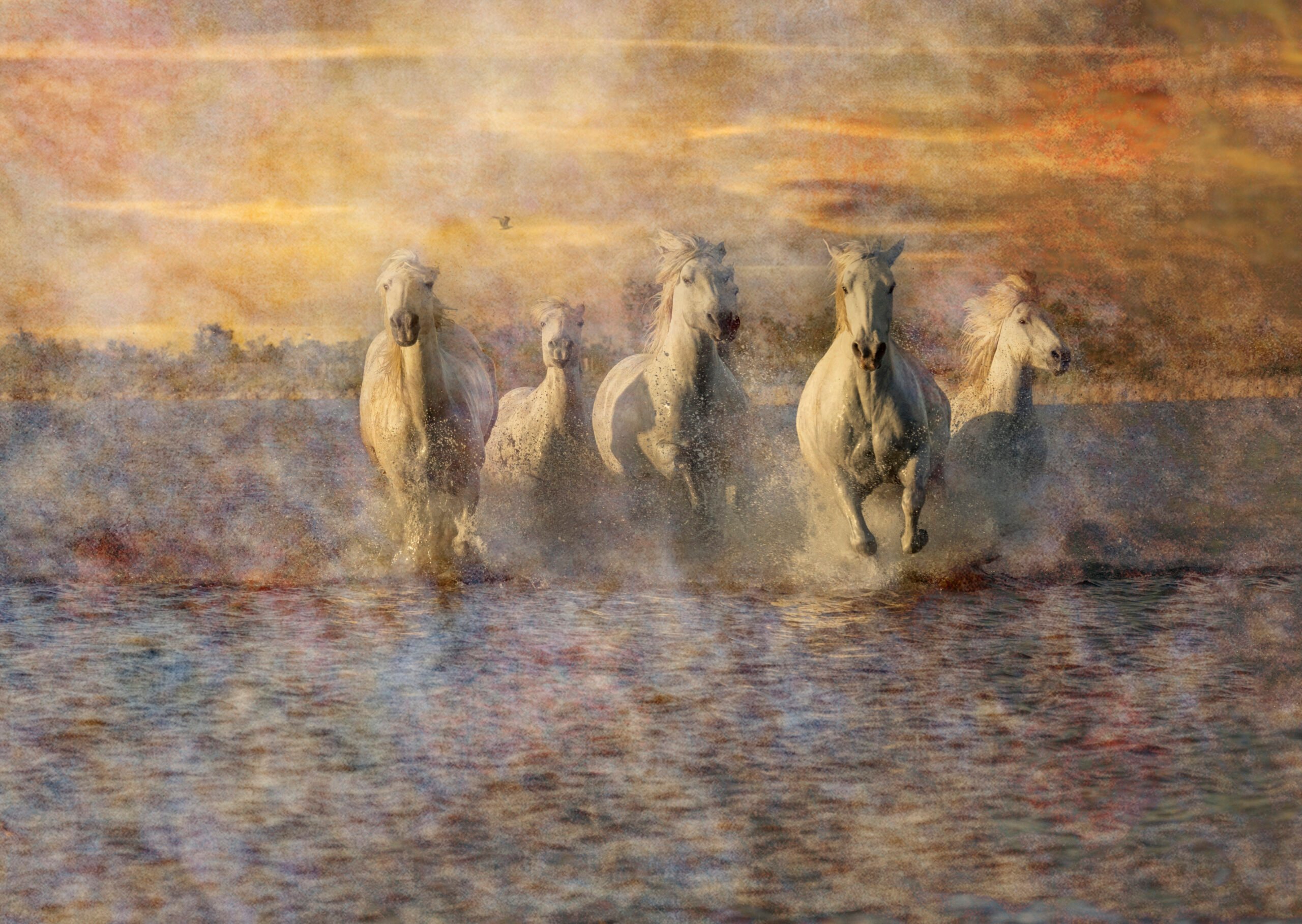
Photo by Marketa Zvelebil
I am originally from communist Czech Republic and one good thing about communism was that there was much less separation workwise between male and female. My dad was great - he made sure we all got a university education and encouraged us to do what we wanted. He was a university professor and worked from home a lot, so I grew up with him doing the cooking. It wasn’t until I went out of the home that I encountered sexism.
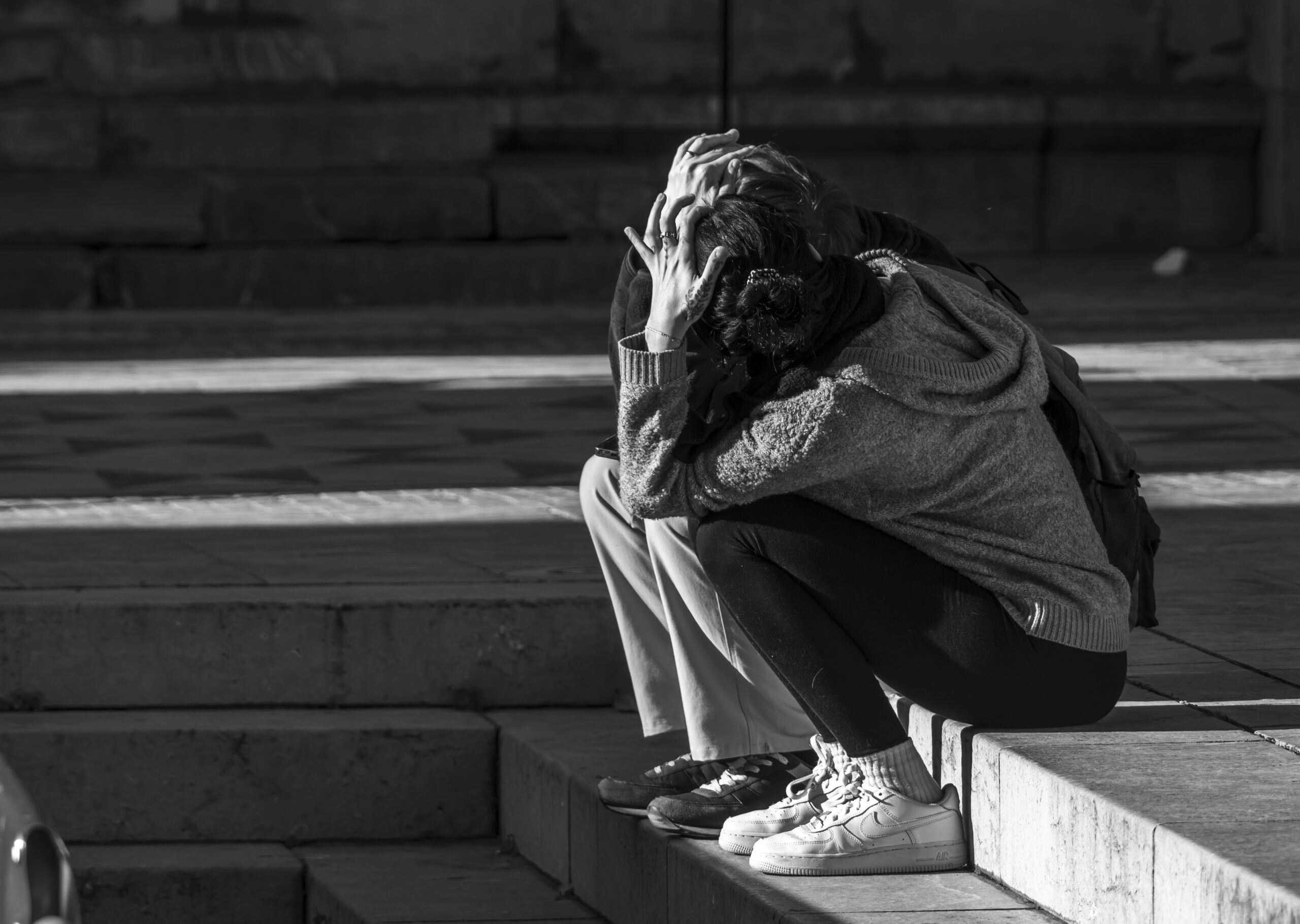
Photo by Marketa Zvelebil
What advice would you give to budding photographers?
Digital cameras mean you can take as many photos as you want. So don’t be afraid – move around, move your lens, play with the buttons, put it on manual and just take the shot! People can be so hesitant but it’s not costing you money, so just take the images.
If anyone has a physical problem, don’t think you can’t take photographs. There are always ways to take images, and it should be available to everyone.
You can view (and buy) more of Marketa’s amazing work at her website and on her Instagram
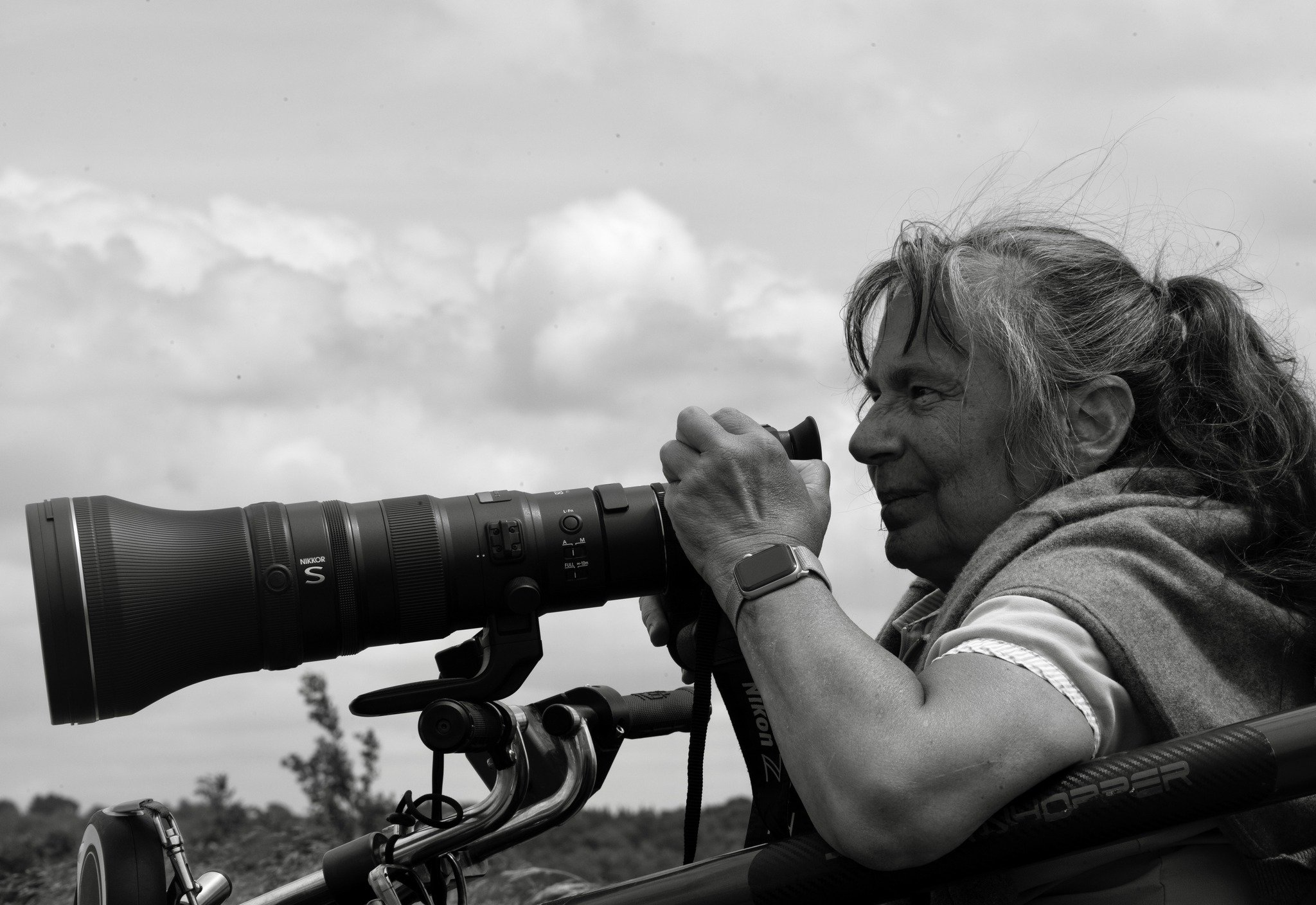
Photographer, Marketa Zvelebil